


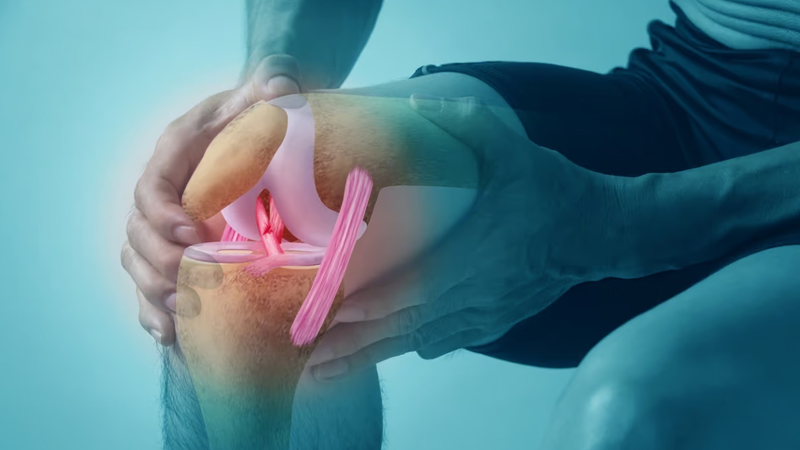
ACL Injury
An ACL (Anterior Cruciate Ligament) injury is one of the most common knee injuries, particularly in athletes and active individuals. The ACL is one of the four major ligaments of the knee and plays a critical role in controlling the forward movement and rotational stability of the joint. A complete or partial tear of the ACL can result in significant knee instability and functional limitation.
How Does an ACL Injury Occur?
ACL injuries most commonly occur during sports and physical activities involving:
- Sudden changes in direction or cutting movements
- Pivoting with the foot planted on the ground
- Awkward landings from a jump
- Direct contact or collision to the knee
- Sudden deceleration while running
Many patients describe hearing or feeling a "pop" in the knee at the moment of injury, followed by rapid swelling and an inability to continue activity.
Symptoms of an ACL Injury
- A pop or snap heard or felt at the time of injury
- Rapid onset of knee swelling (typically within hours)
- Knee pain and tenderness
- A feeling of instability or the knee "giving way"
- Difficulty bearing weight on the affected leg
- Reduced range of movement
Diagnosis
Diagnosis is based on a detailed clinical history, mechanism of injury, and physical examination including specific clinical tests for ACL integrity. An MRI scan is typically used to confirm the diagnosis, assess the extent of the ligament injury, and identify any associated injuries such as meniscus tears, bone bruising, or other ligament damage.
Associated Injuries
ACL tears frequently occur alongside other injuries, including:
- Meniscus tears (medial or lateral)
- Collateral ligament injuries
- Articular cartilage damage
- Bone contusions or fractures
Treatment Options
Non-Surgical Management
Not all ACL injuries require surgery. Some patients — particularly those with low physical demands, partial tears, or adequate functional stability — may be managed with physiotherapy focused on strengthening the muscles around the knee to compensate for the ligament injury.
Surgical Management
ACL reconstruction is typically recommended for patients with complete tears who wish to return to pivoting or high-demand sports, those with persistent instability despite rehabilitation, or patients with associated meniscal or ligamentous injuries. The procedure is performed arthroscopically using a graft to reconstruct the torn ligament and restore knee stability.
Why Choose Dr. Raja Nadar for ACL Injury?
Dr. Raja Nadar has specialised fellowship training in knee arthroscopy and has clinical experience managing ACL injuries from initial assessment through to surgical reconstruction and post-operative rehabilitation guidance. His focus on returning patients to their desired level of activity underpins his approach to ACL management.