

Revision Joint Replacement
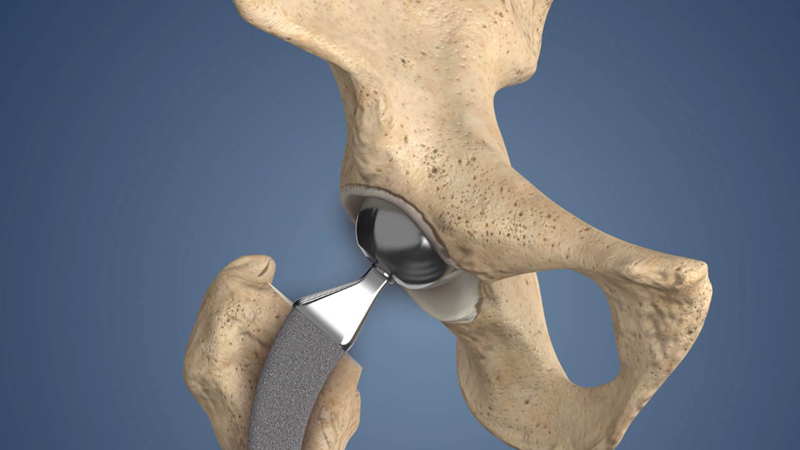
Revision Joint Replacement is a complex surgical procedure in which a previously implanted joint replacement (knee or hip) is partially or fully removed and replaced with new components. It is undertaken when the original joint replacement has failed or is no longer functioning adequately. Revision surgery is technically more demanding than primary joint replacement and requires specialised expertise, careful pre-operative planning, and appropriate implant selection.
Why Might a Joint Replacement Need Revision?
Modern joint replacement implants are designed to last many years, but in some patients, problems can develop that require revision surgery. Common reasons include:
- Implant loosening: The implant loses its bond with the bone over time, causing pain and instability.
- Wear and mechanical failure: Gradual wear of the bearing surfaces or component fracture.
- Periprosthetic joint infection (PJI): Infection around the implant, which may require implant removal and staged revision.
- Instability: Recurrent dislocation or instability of the replaced joint.
- Stiffness: Significant limitation of movement that is not responding to non-surgical treatment.
- Periprosthetic fracture: A fracture around the existing implant requiring revision.
- Pain without a clear cause: Persistent pain following primary replacement requiring thorough investigation.
Pre-Operative Assessment
A thorough evaluation is essential before revision surgery and typically includes:
- Detailed clinical history and examination
- Blood tests to screen for infection and inflammatory markers
- Imaging including X-rays and where necessary CT scanning
- Joint aspiration if infection is suspected
- Review of operative records from the original surgery
Identifying the underlying cause of implant failure is critical to planning the appropriate revision strategy.
The Revision Procedure
Revision surgery involves removing the failed implant and preparing the remaining bone for new components. The procedure is individualised to the patient and may include:
- Removal of the failed implant and any cement used at the original surgery
- Management of bone loss using augments, bone graft, or specialised implants
- Implantation of revision components designed to provide stable fixation in compromised bone
- In cases of infection, a staged approach may be required — removing the implant and placing a temporary spacer before re-implantation once infection is controlled
Recovery After Revision Joint Replacement
Recovery from revision surgery is generally more gradual than after primary replacement due to the greater complexity of the procedure and the condition of the surrounding bone and soft tissues. Physiotherapy is a vital part of the recovery process, focusing on restoring mobility, strength, and functional independence.
The treating team will provide individualised guidance on weight-bearing, activity progression, and expected recovery milestones.
Why Choose Dr. Raja Nadar for Revision Joint Replacement?
Dr. Raja Nadar has fellowship training in joint replacement surgery, including his FIJR (USA) fellowship, which provided exposure to both primary and revision joint replacement techniques. He approaches revision cases with careful pre-operative planning, appropriate implant selection, and a commitment to achieving the best possible outcome for each patient.