


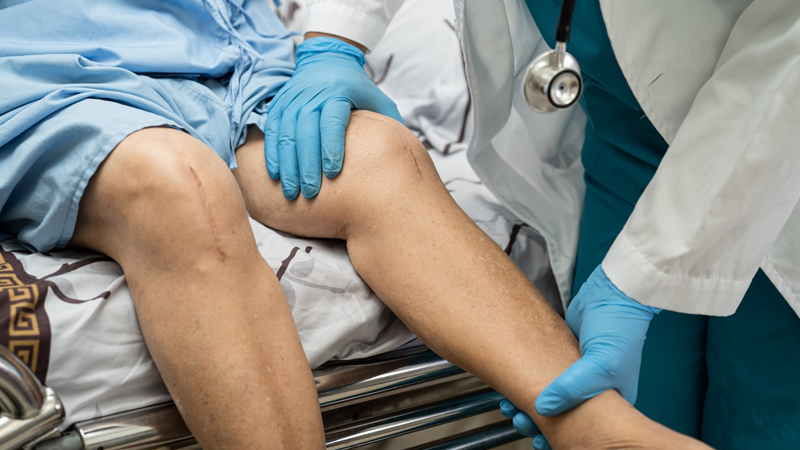
Minimal Invasive Joint Replacement
Minimally Invasive Joint Replacement refers to surgical techniques that aim to perform knee or hip replacement surgery through smaller incisions and with reduced disruption to the surrounding muscles and soft tissues, compared to traditional open approaches. The goal is to achieve accurate implant positioning while facilitating a smoother and more rapid post-operative recovery for appropriate patients.
What Is Joint Replacement?
Joint replacement surgery involves removing damaged cartilage and bone from an arthritic joint and replacing them with an artificial implant (prosthesis) designed to replicate the function of the natural joint. It is most commonly performed for the knee and hip and is considered when pain and disability from severe arthritis significantly affect quality of life despite non-surgical management.
The Minimally Invasive Approach
In minimally invasive joint replacement, the procedure is performed through a smaller incision using specialised instruments and techniques. The key goals of this approach are:
- Reducing disruption to muscles and soft tissues around the joint
- Minimising intra-operative blood loss
- Reducing post-operative pain in the early recovery period
- Supporting a faster return to mobility and function
- Achieving accurate implant positioning and alignment
It is important to note that the implants used in minimally invasive surgery are the same proven designs used in standard joint replacement — the difference lies in the surgical approach and technique.
Who Is a Suitable Candidate?
Minimally invasive joint replacement may be appropriate for patients with:
- Severe knee or hip osteoarthritis causing significant pain and functional limitation
- Inadequate response to non-surgical management including physiotherapy, weight management, and medications
- A body habitus and anatomy suitable for the minimally invasive approach
- No previous major surgery or deformity that would require a more extensive approach
Patient selection is essential — the minimally invasive approach is not appropriate for every patient, and the priority is always accurate implant placement and a safe surgical outcome.
What to Expect During Recovery
Early Mobilisation
Most patients begin weight-bearing and walking with assistance on the day of or the day after surgery, guided by the treating team.
Physiotherapy
A structured rehabilitation programme begins promptly and focuses on restoring movement, strength, and functional independence.
Return Home
Many patients are able to return home within a few days of surgery, depending on their recovery progress and home circumstances.
Progressive Recovery
Improvement in pain and function continues over weeks to months. Most patients see significant functional gains within the first three months.
Why Choose Dr. Raja Nadar for Joint Replacement?
Dr. Raja Nadar has fellowship training and clinical experience in joint replacement surgery, including exposure to modern techniques during his FIJR (USA) fellowship. His training encompasses both primary and revision joint replacement procedures, and his approach focuses on thorough pre-operative planning, precise surgical technique, and a structured post-operative rehabilitation programme to optimise patient outcomes.