

Shoulder Dislocation
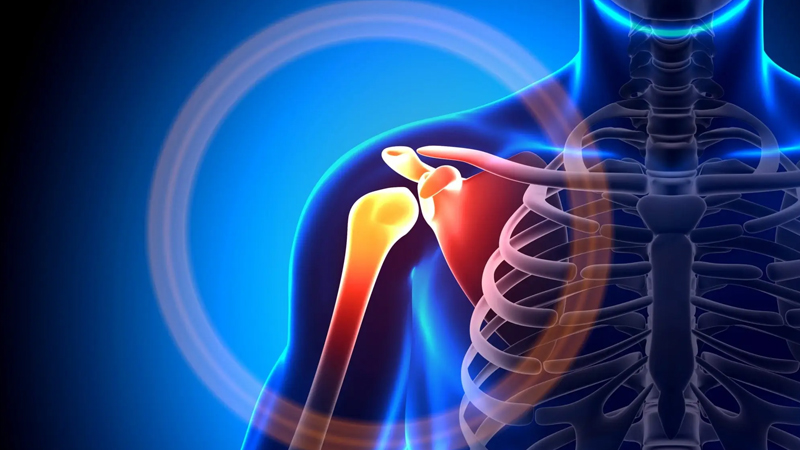
A shoulder dislocation occurs when the head of the humerus (upper arm bone) is displaced from the glenoid — the socket of the shoulder blade. The shoulder is the most commonly dislocated major joint in the body due to its exceptional range of movement and relative reliance on soft tissue restraints rather than bony constraint for stability. The majority of dislocations are anterior (the humeral head dislocates forward), though posterior and inferior dislocations can also occur.
How Does a Shoulder Dislocation Occur?
Shoulder dislocations typically result from:
- A fall onto an outstretched hand or arm
- A direct blow to the shoulder
- A forceful external rotation of the arm while it is raised
- A tackle or collision during contact sports
Associated Injuries
A first-time traumatic dislocation frequently causes injury to the stabilising structures of the shoulder:
- Bankart lesion: Detachment of the anterior labrum from the glenoid rim — the most common associated injury
- Hill-Sachs lesion: A compression fracture of the posterior humeral head caused by impact against the glenoid rim
- Bony Bankart: A fragment of the glenoid rim may be avulsed with the labrum
- Rotator cuff tear: Particularly in older patients
- Nerve or vascular injury: Uncommon but may occur, particularly with high-energy injuries
Symptoms
- Severe pain at the time of dislocation
- Visible deformity or asymmetry of the shoulder
- Inability to move the arm
- Numbness or tingling around the shoulder or down the arm
- Muscle spasm
A dislocated shoulder requires prompt medical assessment and reduction (relocating the joint) under appropriate analgesia or sedation.
Recurrent Instability
Following a first dislocation, the risk of recurrence is significant — particularly in young, active patients. Recurrent dislocations or episodes of the shoulder slipping (subluxation) indicate underlying structural damage, most commonly a Bankart lesion, and may require surgical stabilisation.
Treatment Options
Acute Management
Prompt reduction of the dislocated shoulder followed by a period of immobilisation and pain management. Imaging is performed to confirm adequate reduction and assess for associated bony injuries.
Rehabilitation
Physiotherapy to restore shoulder strength and proprioception is an important component of recovery after dislocation.
Surgical Stabilisation
Arthroscopic Bankart repair is recommended for patients with recurrent instability or structural labral damage who wish to remain active. The procedure repairs the detached labrum and reinforces the anterior capsule to restore shoulder stability.
Why Choose Dr. Raja Nadar for Shoulder Dislocation?
Dr. Raja Nadar has fellowship training in Shoulder and Knee Arthroscopy, with clinical experience in managing shoulder instability including Bankart lesions and recurrent dislocation. He provides individualised assessment and management to help patients achieve shoulder stability and return to their desired activities.