


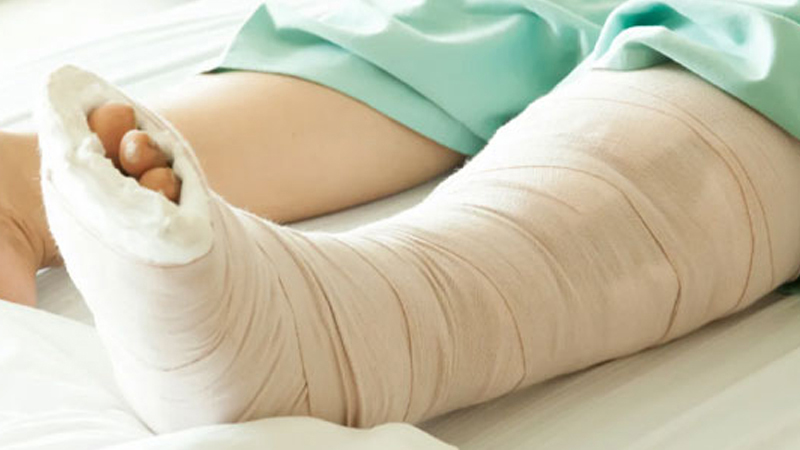
Complex Fracture Fixation
Complex Fracture Fixation refers to the surgical management of fractures that, due to their pattern, location, severity, or associated injuries, require specialised techniques and careful planning to achieve stable fixation and restore alignment. These include high-energy trauma fractures, periarticular fractures (around joints), comminuted fractures (multiple fragments), open fractures, and fractures associated with significant soft tissue injury.
What Makes a Fracture Complex?
Not all fractures are straightforward. Certain fracture types present particular challenges in achieving and maintaining adequate reduction and stable fixation to allow bone healing. Complex fractures may include:
- Periarticular fractures: Fractures involving or adjacent to joints, such as the distal femur, proximal tibia (tibial plateau), distal tibia (pilon), ankle, and wrist
- Comminuted fractures: Fractures with multiple fragments, often resulting from high-energy trauma
- Open fractures: Fractures where the bone penetrates or is exposed through the skin, requiring urgent management
- Fractures with bone loss: Cases where segments of bone are missing or non-viable
- Fractures with associated neurovascular injury: Where nerves or blood vessels are also damaged
- Periprosthetic fractures: Fractures occurring around existing joint replacement implants
- Malunions and non-unions: Fractures that have healed in a poor position or failed to heal
Principles of Complex Fracture Management
The goals of complex fracture fixation are to restore bone alignment, provide stable fixation that allows early mobilisation, prevent complications, and support fracture healing.
Key principles include:
- Thorough assessment including clinical examination, X-rays, and CT scanning to understand the fracture pattern
- Management of associated soft tissue injuries, including open wounds
- Careful pre-operative planning of the reduction technique and implant selection
- Stable internal or external fixation to maintain reduction
- Early physiotherapy and rehabilitation to restore function
Fixation Techniques
The approach to fixation is tailored to each fracture. Options may include:
- Plate and screw fixation: Plates and screws are applied to the bone to hold fragments in alignment
- Intramedullary nailing: A nail is inserted into the medullary canal of the bone for fractures of long bones such as the femur and tibia
- External fixation: A frame applied outside the limb is used as a temporary or definitive fixation method, particularly in open fractures
- Hybrid and circular fixators: Used for complex periarticular or limb reconstruction cases
Recovery After Complex Fracture Fixation
Recovery depends on the nature and location of the fracture, the fixation achieved, and the extent of associated injuries. A structured rehabilitation programme under physiotherapy supervision is a critical part of recovery.
The treating team provides individualised guidance on weight-bearing, mobilisation, wound care, and follow-up imaging to monitor fracture healing. Bone healing and functional recovery can take weeks to months depending on the complexity of the injury.
Why Choose Dr. Raja Nadar for Complex Fracture Fixation?
Dr. Raja Nadar has broad orthopaedic training encompassing trauma care alongside his subspecialty experience in foot and ankle surgery, arthroscopy, and joint replacement. His training has included exposure to the management of complex fractures across multiple anatomical regions. He approaches each fracture case with meticulous pre-operative planning and a commitment to restoring function and quality of life for his patients.