

Shoulder Pain
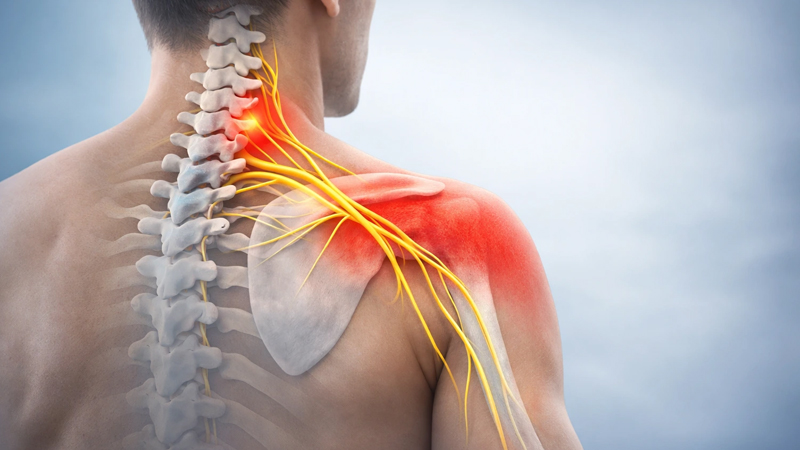
Shoulder pain is an extremely common complaint that can arise from a wide variety of causes affecting the joint itself, the surrounding muscles and tendons, the bursa, or the nerves. The shoulder is the most mobile joint in the body and relies on a complex interaction of structures to function effectively — which also makes it susceptible to a range of injuries and conditions.
Common Causes of Shoulder Pain
Rotator Cuff Problems
The rotator cuff consists of four muscles and their tendons that stabilise the shoulder and enable arm movement. Tears, tendinopathy, or impingement of these tendons are among the most frequent causes of shoulder pain, particularly in middle-aged and older adults and overhead athletes.
Shoulder Impingement Syndrome
This occurs when tendons or the bursa are compressed within the shoulder during arm movements, typically causing pain on lifting the arm above shoulder height.
Frozen Shoulder (Adhesive Capsulitis)
A condition characterised by progressive stiffness and pain in the shoulder due to inflammation and thickening of the joint capsule. Movement becomes increasingly restricted, often over months.
Shoulder Instability and Dislocation
Recurrent dislocation or a feeling of the shoulder slipping, often following a previous traumatic dislocation and a Bankart lesion.
Acromioclavicular (AC) Joint Problems
Arthritis or injury at the AC joint (where the collarbone meets the shoulder blade) is a common cause of pain at the top of the shoulder.
Shoulder Arthritis
Wear of the articular cartilage within the glenohumeral joint, causing pain, stiffness, and reduced function.
Biceps Tendon Problems
Tendinopathy or tears of the long head of biceps tendon can cause anterior shoulder pain and may occur alongside rotator cuff pathology.
Symptoms
- Pain at rest, with movement, or at night
- Reduced range of shoulder movement
- Weakness when lifting, pushing, or rotating the arm
- Clicking, catching, or grinding in the shoulder
- A feeling of the shoulder slipping or being unstable
Diagnosis
A thorough clinical assessment including history, examination of shoulder movement, strength, and stability, combined with imaging investigations (X-ray, ultrasound, or MRI) helps identify the underlying cause and guide appropriate treatment.
Treatment Options
Treatment depends on the underlying diagnosis and ranges from physiotherapy, activity modification, injections, and pain management through to surgical intervention for conditions that do not respond to conservative care. Surgical options include arthroscopic procedures for rotator cuff repair, labral repair, impingement, and instability.
Why Choose Dr. Raja Nadar for Shoulder Pain?
Dr. Raja Nadar has fellowship training in Shoulder and Knee Arthroscopy and clinical experience managing a wide range of shoulder conditions. He provides comprehensive assessment and individualised management for patients with shoulder pain, from conservative treatment through to surgical intervention where appropriate.