

Bunions (Hallux Valgus)
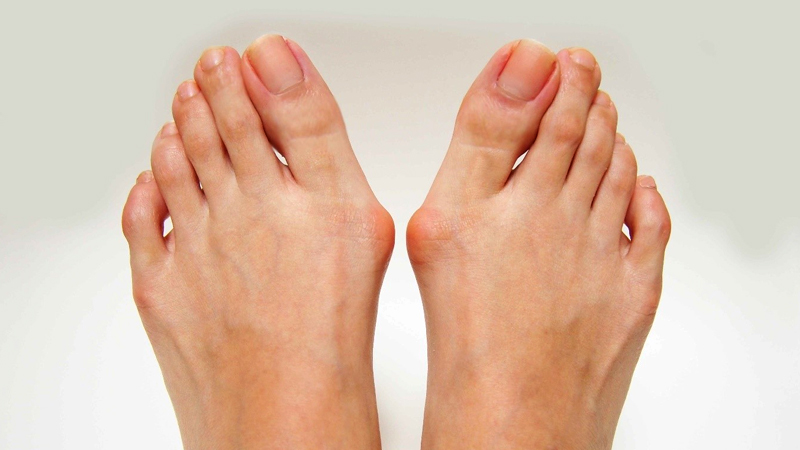
A bunion — medically known as hallux valgus — is a common foot deformity characterised by the progressive deviation of the big toe towards the second toe, with the first metatarsal bone drifting in the opposite direction. This creates a visible bony prominence on the inner side of the foot at the base of the big toe. Bunions are more prevalent in women and tend to worsen progressively if left untreated.
What Causes Bunions?
The exact cause is multifactorial. Contributing factors include:
- Genetic predisposition — a family history of bunions significantly increases risk
- Foot structure — certain foot types are more susceptible
- Footwear — narrow, pointed-toe or high-heeled shoes do not cause bunions but can exacerbate progression and symptoms
- Inflammatory arthritis such as rheumatoid arthritis
- Hypermobility of the joints
Symptoms of Bunions
- A visible bony bump on the inner side of the foot at the base of the big toe
- Pain, redness, and swelling over the bunion — particularly with footwear
- Difficulty fitting into standard shoes
- Pain and stiffness in the big toe joint, especially during walking
- Skin irritation, callus, or bursitis over the prominence
- Pressure on the second toe, potentially causing toe deformities such as hammer toe
- Transfer metatarsalgia — pain under the ball of the foot due to altered load distribution
Diagnosis
Assessment includes clinical examination of the foot and big toe joint, evaluation of joint mobility and deformity severity, and weight-bearing X-rays to assess the degree of angular deformity and joint involvement. This guides both non-surgical and surgical management decisions.
Treatment Options
Non-Surgical Management
Non-surgical measures are the first line of treatment, particularly for mild to moderate bunions. These include:
- Wide-fitting footwear to reduce pressure on the bunion
- Toe spacers and padding to reduce friction and discomfort
- Orthotics or insoles to redistribute foot pressure
- Physiotherapy for toe strengthening and mobility
- Pain relief and anti-inflammatory treatment for symptomatic flares
Non-surgical measures manage symptoms but do not correct the underlying deformity.
Surgical Management
Surgery is considered when pain and functional limitation are significant despite adequate non-surgical management, and the goal is to reduce pain and improve foot function rather than cosmetic correction alone. The procedure involves realigning the first metatarsal bone through a carefully planned osteotomy (bone cut), secured with screws, and balancing the soft tissues around the joint.
Why Choose Dr. Raja Nadar for Bunions?
Dr. Raja Nadar has dedicated fellowship training in Foot and Ankle surgery, including management of forefoot conditions such as hallux valgus. He provides thorough assessment and individualised treatment to address bunion-related pain and restore comfortable foot function.