


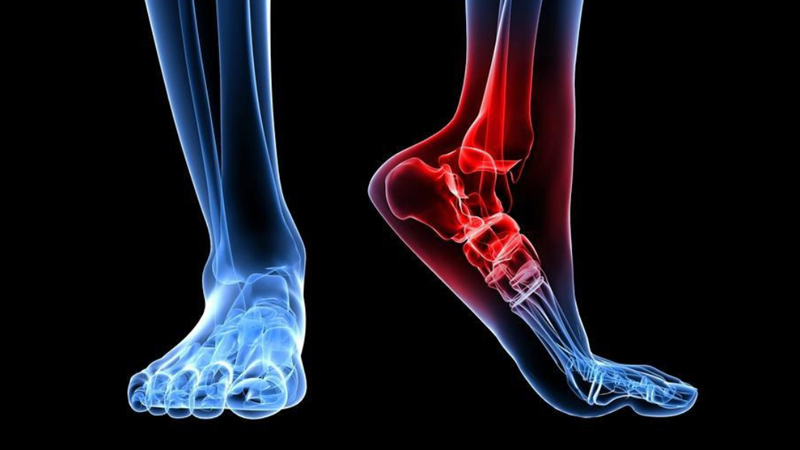
Tendo Achilles Repair
Tendo Achilles Repair is a surgical procedure used to treat a complete rupture of the Achilles tendon — the large tendon at the back of the lower leg that connects the calf muscles to the heel bone. The Achilles tendon is the strongest tendon in the body and plays a critical role in walking, running, jumping, and rising onto the toes. A complete rupture requires prompt assessment and management to achieve the best possible outcome.
What Is an Achilles Tendon Rupture?
A complete Achilles tendon rupture involves a full-thickness tear of the tendon, most commonly occurring approximately 2–6 cm above the heel bone. It frequently occurs during sudden acceleration or push-off movements in sport, or can follow a stumble or fall. Many patients describe a sensation of being struck at the back of the leg, followed by pain and an inability to plantarflex (push down) the foot.
Common symptoms include:
- A sudden, sharp pain at the back of the ankle or lower leg
- A pop or snap at the time of injury
- Swelling and bruising around the back of the heel
- Inability to stand on the toes or push off when walking
- A palpable gap in the tendon
Surgical vs. Non-Surgical Management
Both surgical repair and non-surgical (conservative) management with functional bracing are recognised treatment options for Achilles tendon rupture. Treatment is individualised based on patient age, activity level, timing of injury, tendon gap on imaging, overall health, and patient preference. Surgical repair is often preferred for younger, active patients and athletes seeking to maximise the strength of the repair and reduce the risk of re-rupture.
How Is Tendo Achilles Repair Performed?
Surgical repair is performed to bring the torn ends of the tendon together and suture them securely.
- The procedure is typically performed under regional or general anaesthesia.
- An incision is made at the back of the lower leg to access the ruptured tendon.
- The torn tendon ends are identified, prepared, and brought together.
- Strong sutures are used to repair the tendon and restore its continuity and tension.
- Minimally invasive repair techniques may be used in suitable cases to reduce the incision size.
- The wound is closed in layers, and the ankle is placed in a position of slight plantarflexion to protect the repair initially.
Recovery After Tendo Achilles Repair
Recovery requires a structured and progressive rehabilitation programme to allow tendon healing while restoring function.
Immobilisation Phase
The ankle is initially immobilised in a boot or cast to protect the repair, with non- or partial weight-bearing as directed by the treating team.
Progressive Weight-Bearing
Weight-bearing is gradually increased under physiotherapy supervision as healing progresses.
Rehabilitation Phase
Exercises focus on restoring ankle range of motion, calf muscle strength, and proprioception.
Return to Sport
Return to running and sport is a gradual process, guided by clinical and functional milestones. Return to competitive sport typically takes many months.
Why Choose Dr. Raja Nadar for Tendo Achilles Repair?
Dr. Raja Nadar has dedicated fellowship training in Foot and Ankle surgery, which included exposure to the management of Achilles tendon injuries and reconstructive procedures. His training and clinical experience in this subspecialty area enable him to provide comprehensive assessment and management of Achilles tendon ruptures, tailored to each patient's individual needs and goals.