

Hallux Valgus Correction
Hallux Valgus Correction is a surgical procedure used to realign the big toe and correct the bony prominence (bunion) that develops on the inner side of the foot at the base of the big toe. Surgery is considered when the deformity is causing significant pain, functional difficulty, or footwear problems that have not responded adequately to non-surgical management.
What Is Hallux Valgus?
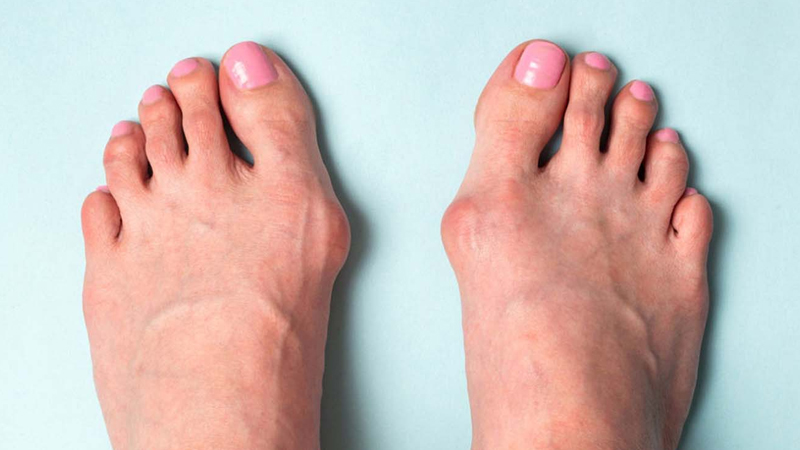
Hallux valgus is a common foot condition in which the big toe (hallux) drifts towards the second toe, and the first metatarsal bone deviates outward. This causes a bony prominence — commonly known as a bunion — on the inner side of the foot at the metatarsophalangeal (MTP) joint. The condition can affect one or both feet and is more prevalent in women.
Common symptoms include:
- A visible bony lump on the inner side of the foot at the base of the big toe
- Pain, swelling, and redness over the bunion
- Difficulty wearing standard footwear
- Pain in the big toe joint during walking or activity
- Callus formation under the second metatarsal head due to altered load distribution
- Gradual progression of the deformity over time
When Is Surgery Recommended?
Non-surgical measures such as wide-fitting footwear, toe spacers, padding, orthotics, and activity modification are usually tried first. Surgery is considered when:
- Pain and functional limitation are significant and not adequately controlled by non-surgical measures
- The deformity is progressive
- Daily activities and footwear choices are substantially affected
The goal of surgery is pain relief and functional improvement, not purely cosmetic correction.
How Is Hallux Valgus Correction Performed?
The surgical technique is tailored to the severity of the deformity and the individual patient. A range of surgical procedures exist; one of the most commonly performed is the chevron or scarf osteotomy combined with soft tissue balancing.
During the procedure:
- An incision is made over the bunion on the inner side of the foot.
- The bony prominence is addressed.
- A carefully planned cut is made in the first metatarsal bone (osteotomy) to shift its head back towards a corrected position.
- The osteotomy is stabilised with small screws or pins.
- The surrounding soft tissues, including joint capsule and tendons, are balanced to maintain the corrected alignment.
In more severe deformities, a different osteotomy at the base of the first metatarsal may be required to achieve adequate correction.
Recovery After Hallux Valgus Correction
Early Phase
Weight-bearing is usually permitted from the day of surgery in a special post-operative shoe that offloads the forefoot, protecting the osteotomy while bone healing begins.
Bone Healing Phase
Progress is monitored with X-rays. Gradual transition to normal footwear occurs as healing is confirmed, usually over several weeks to months.
Rehabilitation
Exercises to restore toe and foot mobility, strength, and function are important for a good long-term outcome.
Return to Activity
Return to everyday footwear and activities is progressive and guided by healing. Returning to sport or high-demand activities takes longer and is assessed on an individual basis.
Why Choose Dr. Raja Nadar for Hallux Valgus Correction?
Dr. Raja Nadar has dedicated fellowship training in Foot and Ankle surgery, which included management of forefoot conditions including hallux valgus. His foot and ankle subspecialty training enables him to offer comprehensive assessment and surgical management of bunion deformities, with a focus on restoring function and comfort for each patient.