

Arthritis
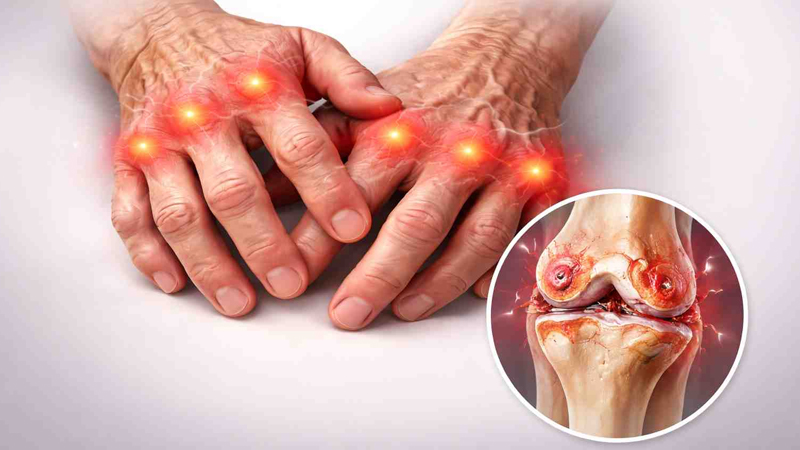
Arthritis is a broad term describing inflammation of one or more joints, resulting in pain, stiffness, swelling, and reduced range of movement. It is one of the most common musculoskeletal conditions and can affect people of all ages, though it is more prevalent with advancing age. There are over 100 different types of arthritis, with osteoarthritis and rheumatoid arthritis being the most frequently encountered.
Types of Arthritis
Osteoarthritis (OA) is the most common form and is characterised by the gradual breakdown of cartilage — the smooth tissue covering the ends of bones within a joint. As cartilage wears away, bones may begin to rub against one another, causing pain, stiffness, and bony changes around the joint. It most commonly affects the knee, hip, spine, and hands.
Rheumatoid Arthritis (RA) is an autoimmune condition in which the body's immune system attacks the lining of the joints (synovium), causing chronic inflammation, pain, joint damage, and systemic effects. It commonly involves the smaller joints of the hands and feet in a symmetrical pattern and is managed in collaboration with a rheumatologist.
Other forms include post-traumatic arthritis (following joint injury), psoriatic arthritis, and gout.
Symptoms of Arthritis
- Joint pain that may worsen with activity or at the end of the day
- Morning stiffness that eases with movement
- Swelling, warmth, or tenderness around the joint
- Reduced range of joint movement
- A grinding or crunching sensation within the joint
- Progressive difficulty with walking, climbing stairs, or daily tasks
Diagnosis
Assessment typically includes a detailed clinical history and physical examination, along with imaging investigations such as X-rays to evaluate the degree of joint space loss, bony changes, and alignment. Blood tests may be used to identify inflammatory or autoimmune markers. MRI may be used in selected cases to assess soft tissue structures.
Treatment Options
Management of arthritis is tailored to the type, severity, affected joints, and the patient's age, activity level, and treatment goals. A stepwise approach is generally followed.
Non-Surgical Management
- Activity modification and weight management to reduce joint load
- Physiotherapy to strengthen muscles around the joint, improve mobility, and reduce pain
- Analgesic and anti-inflammatory medications
- Assistive devices such as walking aids and braces
- Joint injections including corticosteroids or hyaluronic acid to reduce inflammation and improve lubrication
- Biologic therapies or disease-modifying drugs for inflammatory arthritis (managed by rheumatology)
Biologic Joint Preservation
In appropriate patients with early to moderate arthritis, biologic treatments such as Platelet-Rich Plasma (PRP) or Bone Marrow Aspirate Concentrate (BMAC) may be considered to support the joint environment and reduce symptoms.
Surgical Management
When non-surgical measures no longer provide adequate relief and quality of life is significantly affected, surgical options may be considered. These include osteotomy (realignment of the joint) for younger patients with focal arthritis and a correctable deformity, or joint replacement surgery for end-stage disease.
Why Choose Dr. Raja Nadar for Arthritis Management?
Dr. Raja Nadar has clinical experience in the assessment and management of joint arthritis across the knee, hip, and ankle. His training encompasses joint preservation strategies, arthroscopy, and both primary and revision joint replacement, enabling him to offer a comprehensive, individualised approach to patients at all stages of arthritic disease.