


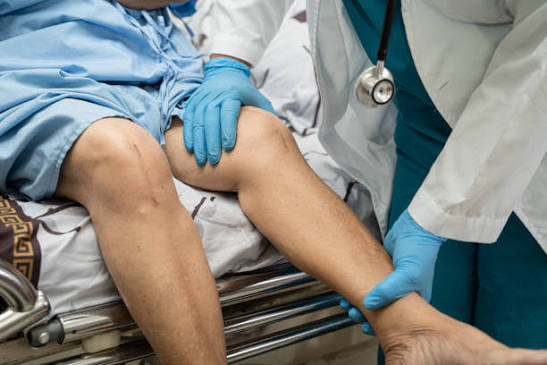
What Is Knee Replacement Surgery?
You are unable to move as you once did. Walking the dog, climbing stairs, or even just getting out of a chair hurts. You've experimented with medications, injections, and physical therapy. It doesn't seem to work. It could be time to think about knee replacement surgery if that's the case. One of the most frequent bone procedures performed in the United States is knee replacement surgery, also referred to as arthroplasty. It may lessen the discomfort brought on by severe arthritis. You might be able to move more freely as a result. Over 600,000 knee replacement procedures are performed annually by American physicians, many of which are now performed robotically. An orthopedic surgeon will remove the damaged portion of the knee and replace it with a metal and plastic artificial joint. The kneecap, shin, and thigh bone are then joined to the artificial joint using a unique substance like acrylic cement.See the Knee Replacement Doctor in Chembur, Dr. Raja Nadar, at our clinic.
Knee Replacement Surgery Procedure
An operating room in a hospital or outpatient surgery facility is where knee replacement surgery is performed. Either spinal or epidural anesthesia, which numbs you from the waist down, or general anesthesia, which puts you to sleep, will be administered. In order to lessen pain immediately following surgery, you might also receive a nerve block. Your surgeon will replace the damaged bone and cartilage with the new implant during the procedure. Following surgery, you will spend many hours recovering from anesthesia under close observation in a recovery room. You will either be admitted to the hospital for a night or two when you completely awaken, or if your operation was performed in an outpatient clinic, you will be sent home.There is an Knee Replacement Doctor in Chembur.
How Long Does Knee Replacement Surgery Take?
It typically takes one to two hours to do knee replacement surgery. In order to ensure that you thoroughly recover from anesthesia, you will need to be observed at the hospital or surgical facility for a few hours following surgery.We have an Knee Replacement Doctor in Chembur, so please contact us.
Risks of Knee Replacement Surgery
Surgery to replace a knee is thought to be extremely safe. However, 2% to 5% of people have issues. Among them are:
- clots of blood
- An infection
- Kneecap dislocation
- Damage to blood vessels or nerves
- Prolonged bleeding
- An implant that is loose or broken
- Stiffness in the joints
- Response to the implant
If you just have one knee replacement done at a time, you might be able to lower your risk of some of these issues. According to research, having both knees operated on at the same time increases the risk of blood clots, stroke, respiratory failure, pulmonary embolism (when blood clots migrate to the lungs), and the need for a blood transfusion. Additionally, they have a higher chance of being readmitted to the hospital within three months.Make an appointment with the Knee Replacement Doctor in Chembur Dr. Raja Nadar right now.
Frequently Asked Questions
Is a knee replacement painful?
After knee replacement surgery, some pain is common in the days and even weeks that follow. However, the majority of patients say that following surgery, their discomfort is much reduced and their range of motion is improved.
How serious is knee replacement surgery?
A knee replacement is a significant procedure that might necessitate a hospital stay of one or two nights. The rate of complications is between 2% and 5%. Blood clots, infections, bleeding, and painful joints are examples of complications.
What's the best age to have knee replacement surgery?
Physicians often avoid recommending knee replacement surgery for patients under 50. Their results are typically worse than those of older individuals. According to one study, the greatest gains in pain, function, and general quality of life were reported by those over 75.