

What Is a Meniscus Tear?
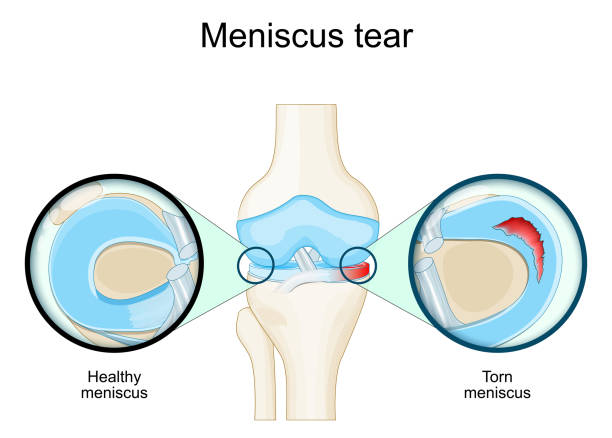
Your thigh bone and shinbone are joined by two C-shaped cartilage (soft tissue) disks. We refer to these as menisci. They function similarly to your bones' shock absorbers. Additionally, they support the stability of your knee. One of the most frequent knee injuries is a meniscus tear. Meniscus tears are common in athletes who participate in contact sports like hockey and football. Turning your upper leg while keeping your foot firmly on the ground increases the likelihood of this tear. However, kneeling, squatting, or lifting large objects can also cause this injury. As you age, the bones and tissues surrounding your knee start to deteriorate, increasing your risk of injury. Your leg may swell and feel stiff if you tear your meniscus, and you might have to walk with a limp. You may be unable to fully extend your leg, experience pain when twisting your knee, or feel the joint catch when you move it.See the Meniscus Tear Treatment in Chembur, Dr. Raja Nadar, at our clinic.
Meniscus Tear Diagnosis
The size, type, and location of a meniscus tear within the cartilage will all affect how it is treated. To determine whether, how severely, and where the meniscus is torn, your doctor will do a physical examination. Your doctor will probably recommend an MRI if they believe the meniscus may be torn. Your doctor can see your damage more clearly with the help of this test. To have a better look at the inside of your knee, your doctor might also recommend an arthroscopy. In order to obtain images, your doctor will make a small incision in your knee and insert a scope with a light attached. There are three types of meniscus tears. Your doctor will suggest one of the following therapies based on your physical objectives and the category you fall into.We have an Meniscus Tear Treatment in Chembur, so please contact us.
Risks of Meniscus Tear Surgery
Make an appointment with the Meniscus Tear Treatment in Chembur? Dr. Raja Nadar right now.Major problems following arthroscopic meniscus tear surgery are uncommon. However, like with any surgery, an infection or blood clot may develop afterward. Other possible dangers consist of:
- Damage to the blood arteries, tissues, and nerves close to the surgical site
- Joint arthritis as you become older
- Stiffness in the joints
- Heart or lung issues brought on by anesthesia
- Embolism of the lungs
After surgery, you should contact your physician if you experience any of the following:
- A fever of at least 101 degrees
- A large amount of fluid, such as blood, flowing from the wounds
- A foul-smelling drainage from the wound
- Swelling or pain that doesn't go away when you elevate your leg
Frequently Asked Questions
How long does meniscus surgery last?
Depending on the kind of treatment required, meniscus tear surgery typically takes between thirty and sixty minutes.The Meniscus Tear Treatment in Chembur, Dr. Raja Nadar, treats patients using a patient-centered approach.
How much does the meniscus surgery cost?
The average cost of meniscus tear surgery is between $5,000 and $10,000; however, depending on your insurance, you might have to spend a lot less out of pocket.